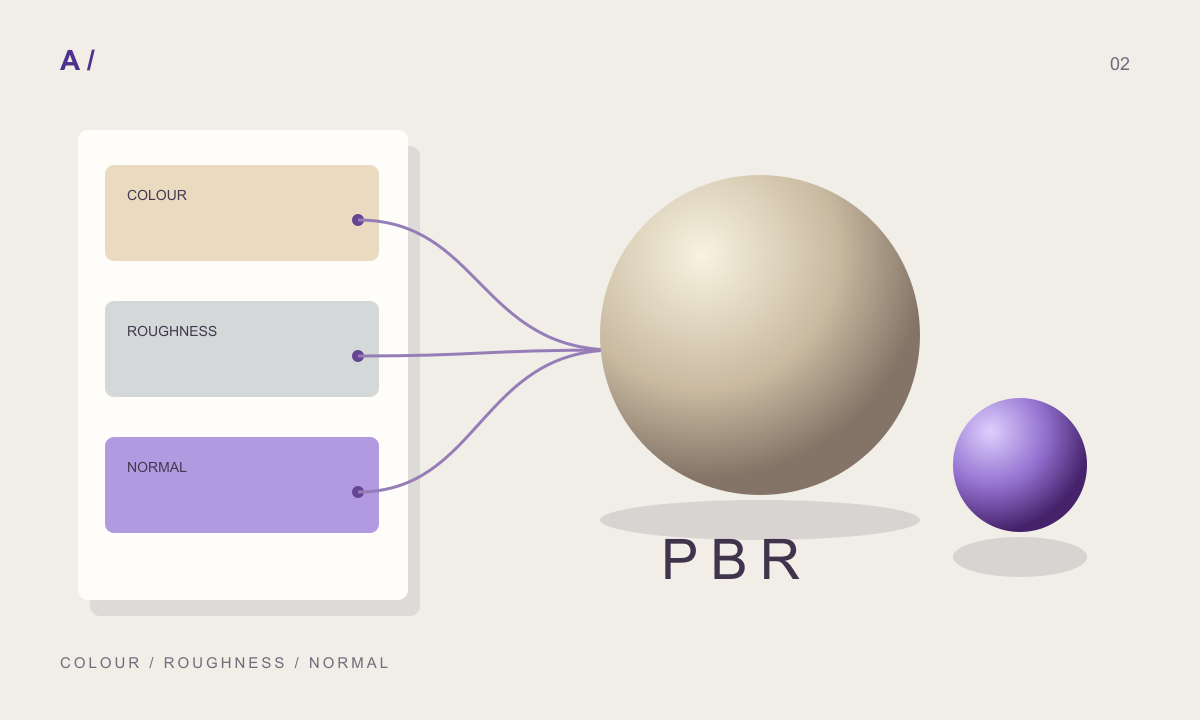
Software guides
Blender PBR materials: connect maps and check real scale
A practical setup sequence for architectural materials in Blender, with a known-size plane, map checks and a restrained approach to relief.
Read ↗MATERIALHAUS / JOURNAL
Worked dimensions, software walkthroughs and handoff checklists. Practical guides from your first surface reference to the final project files.
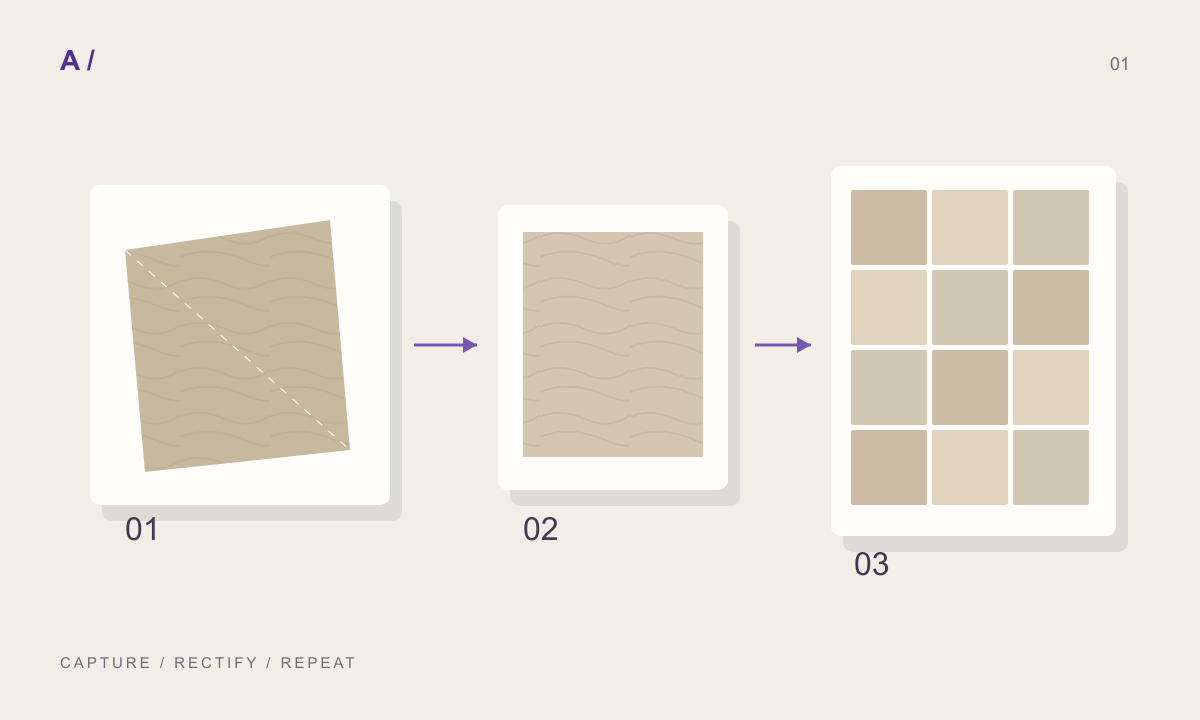
FEATURED GUIDE / Texture preparation
Prepare a surface photograph, separate perspective from lighting problems and check repeat boundaries and physical scale before exporting.
Read the guide ↗Software guides
A practical setup sequence for architectural materials in Blender, with a known-size plane, map checks and a restrained approach to relief.
Read ↗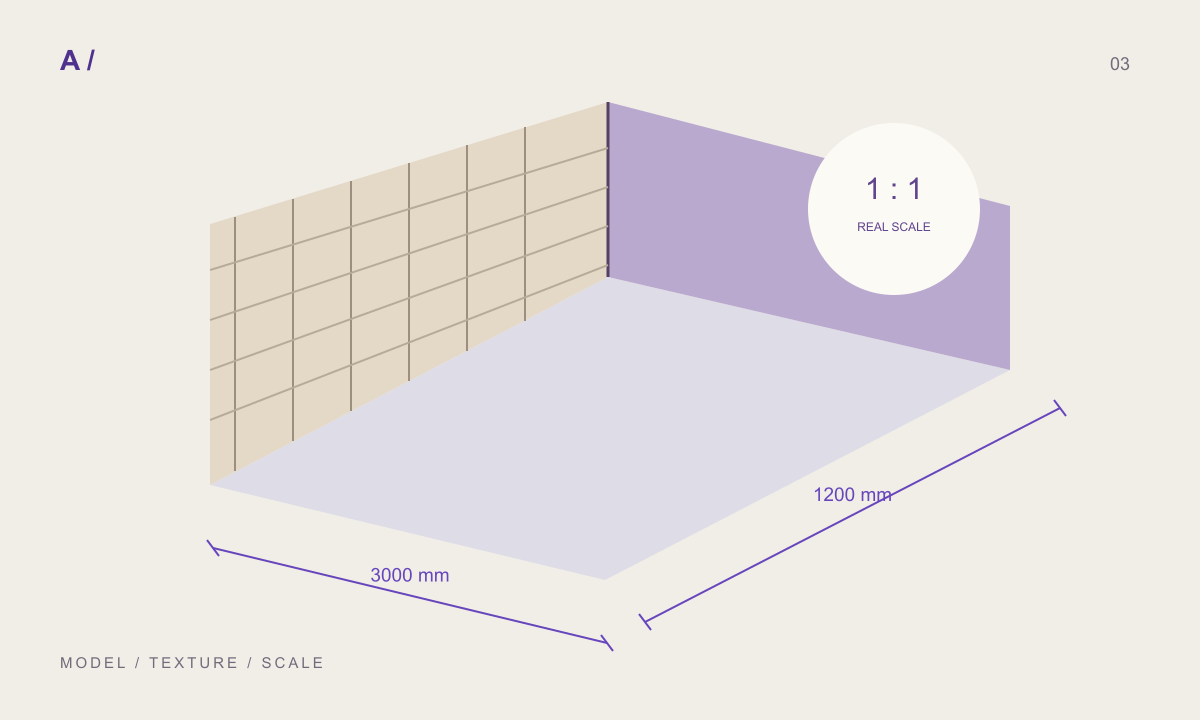
Software guides
Check physical coverage, repeat count and grain direction in SketchUp without confusing a single slab with the complete texture image.
Read ↗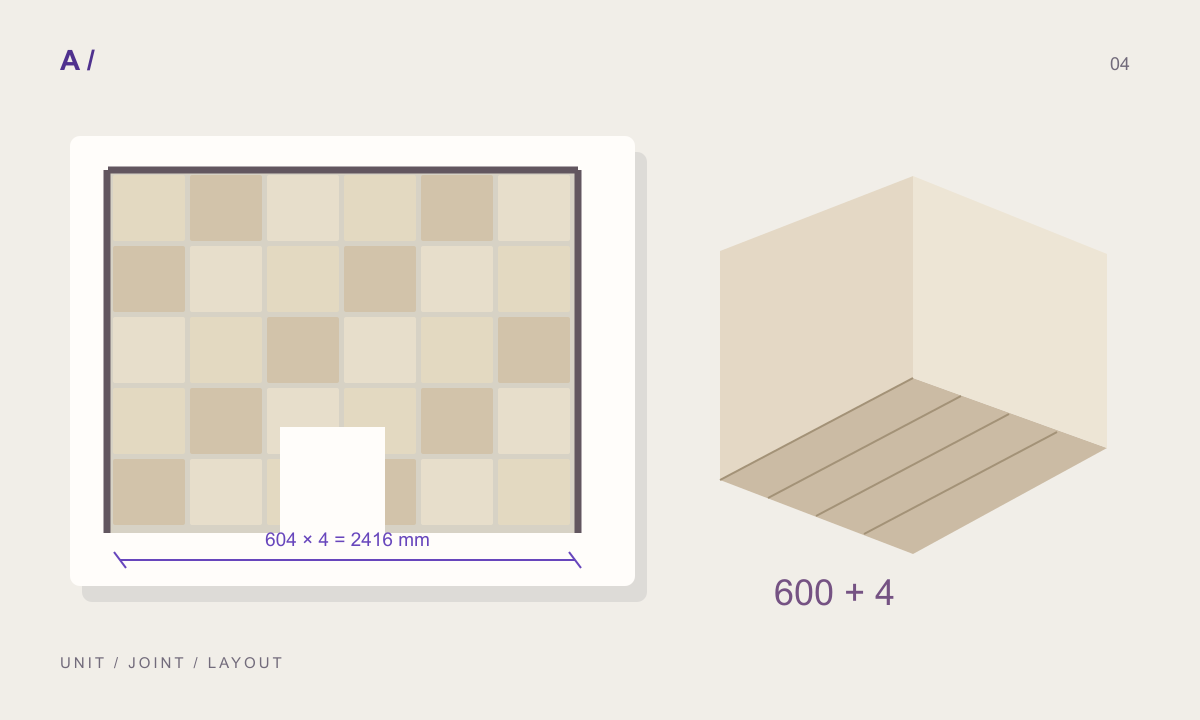
Materials & patterns
Use a 600 mm tile example to separate product dimensions, joint spacing and repeat coverage, then coordinate texture and drawing outputs.
Read ↗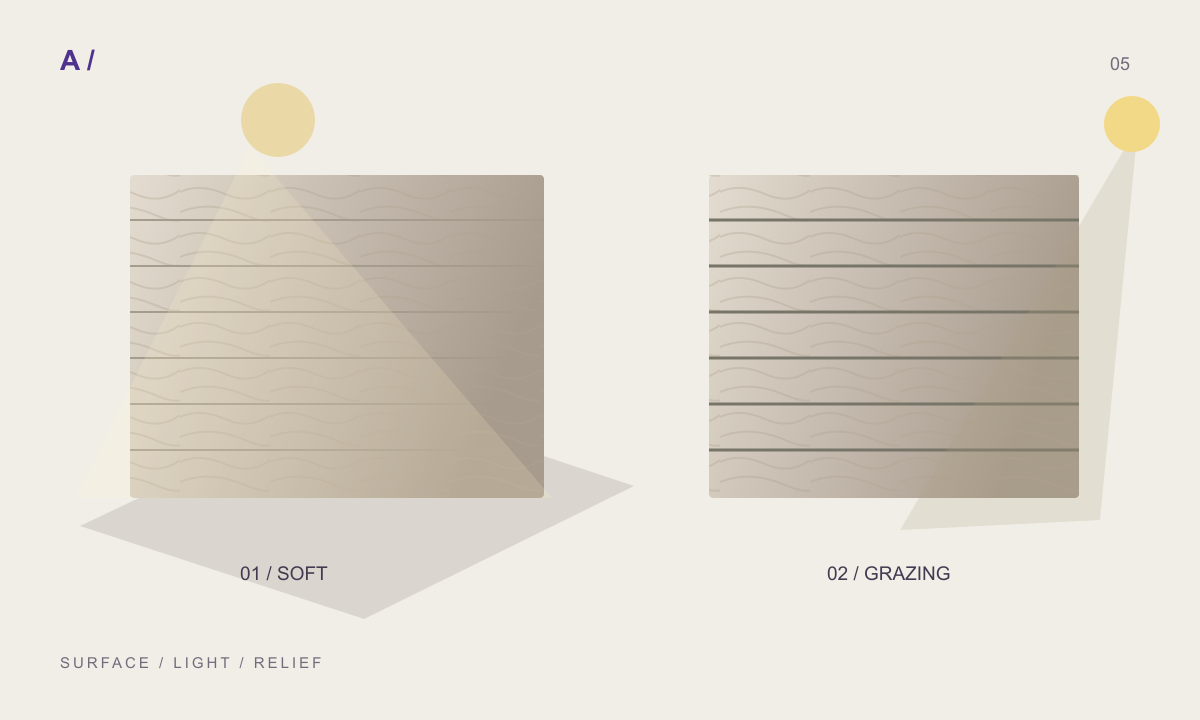
Materials & patterns
Separate scale, repetition, lighting, roughness and relief problems, then evaluate formwork marks on a measured test wall.
Read ↗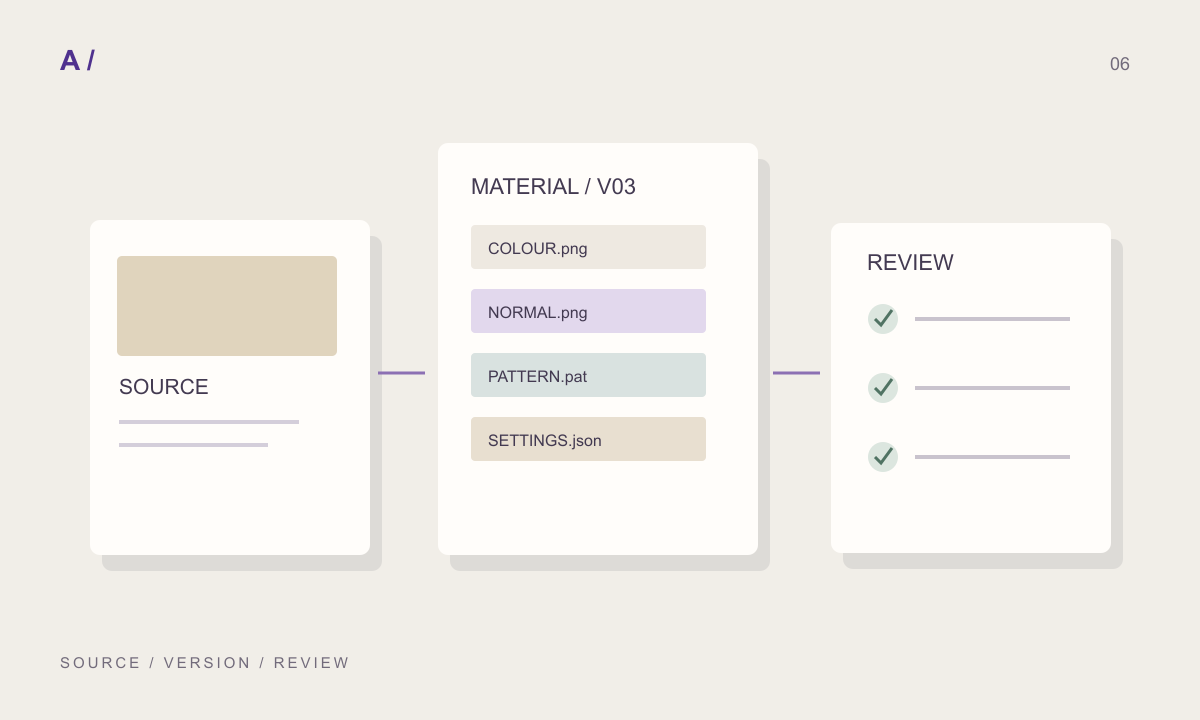
Library & handoff
Organise textures, hatches, source information and product documents into a reusable handoff with clear naming, revisions and review notes.
Read ↗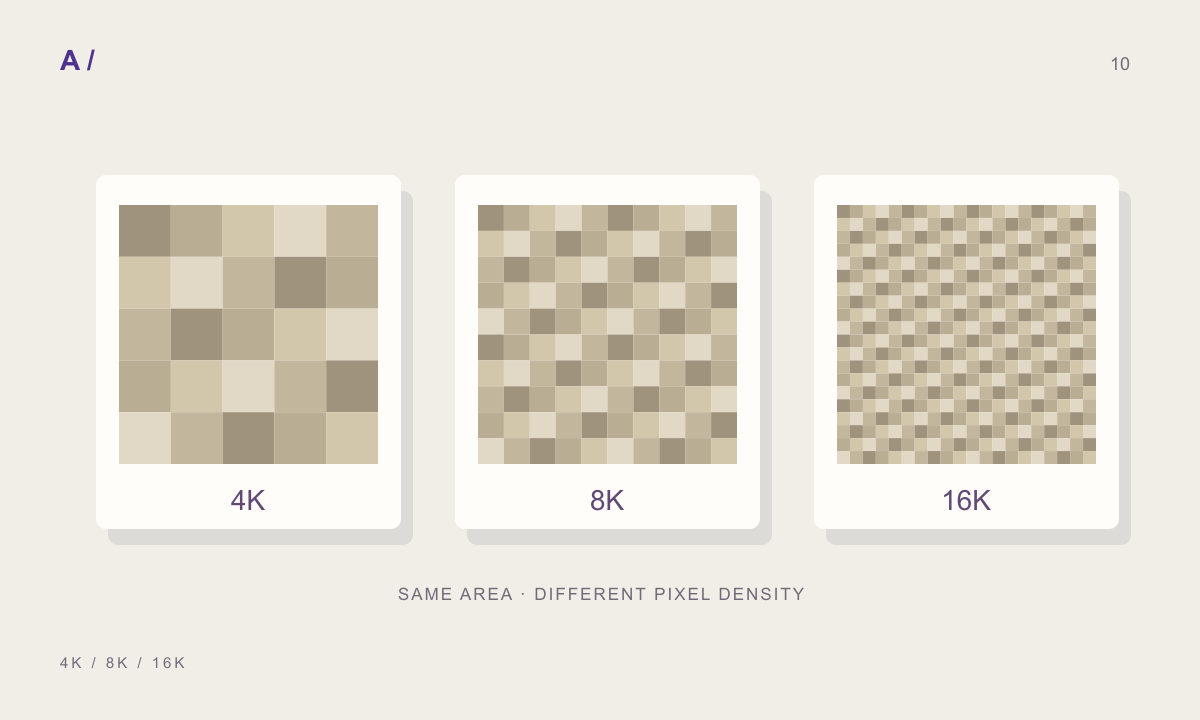
Texture preparation
Calculate texture density from real dimensions, understand memory costs and choose an export size without confusing pixels with captured detail.
Read ↗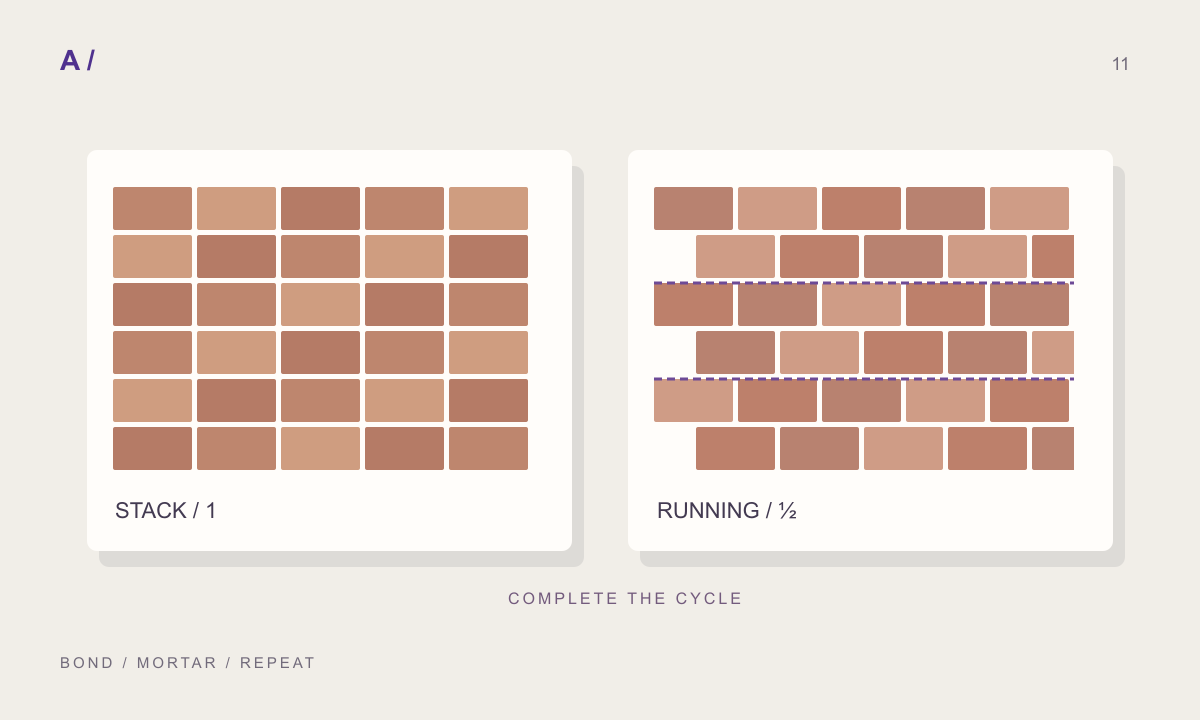
Materials & patterns
Build a brick texture with a complete running, third or quarter bond cycle, then check its physical repeat before exporting.
Read ↗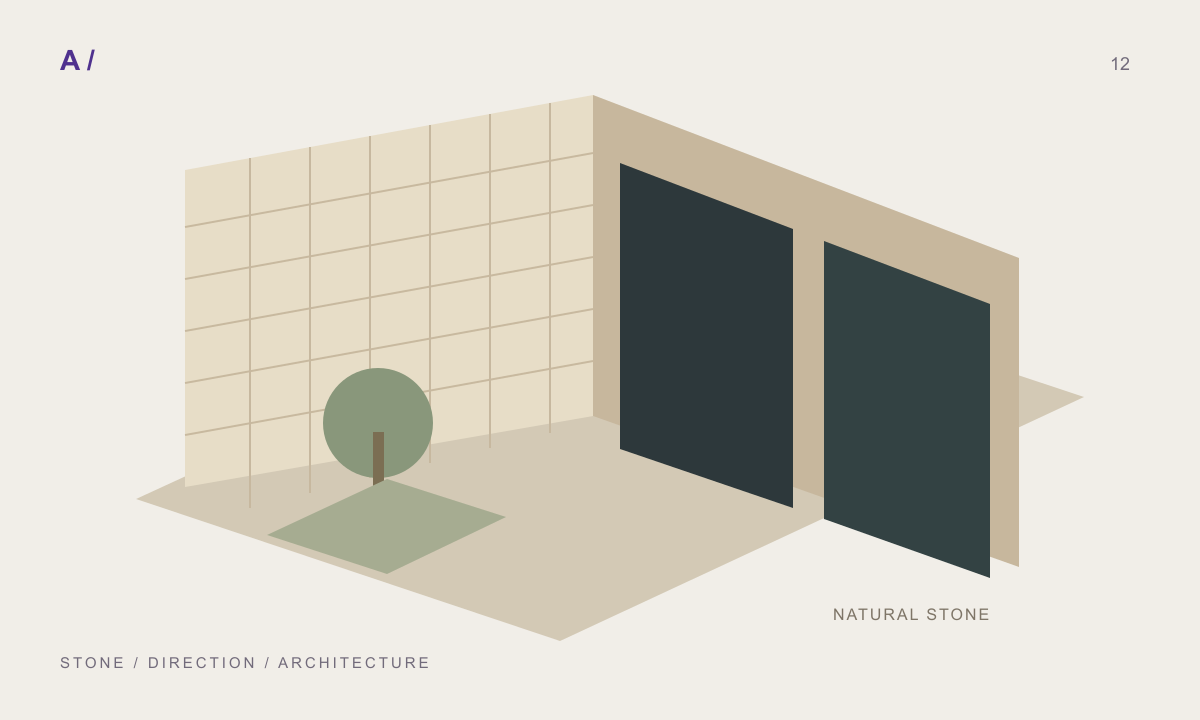
Materials & patterns
Choose travertine grain direction, slab dimensions and joint treatment, then evaluate repetition and derived surface relief.
Read ↗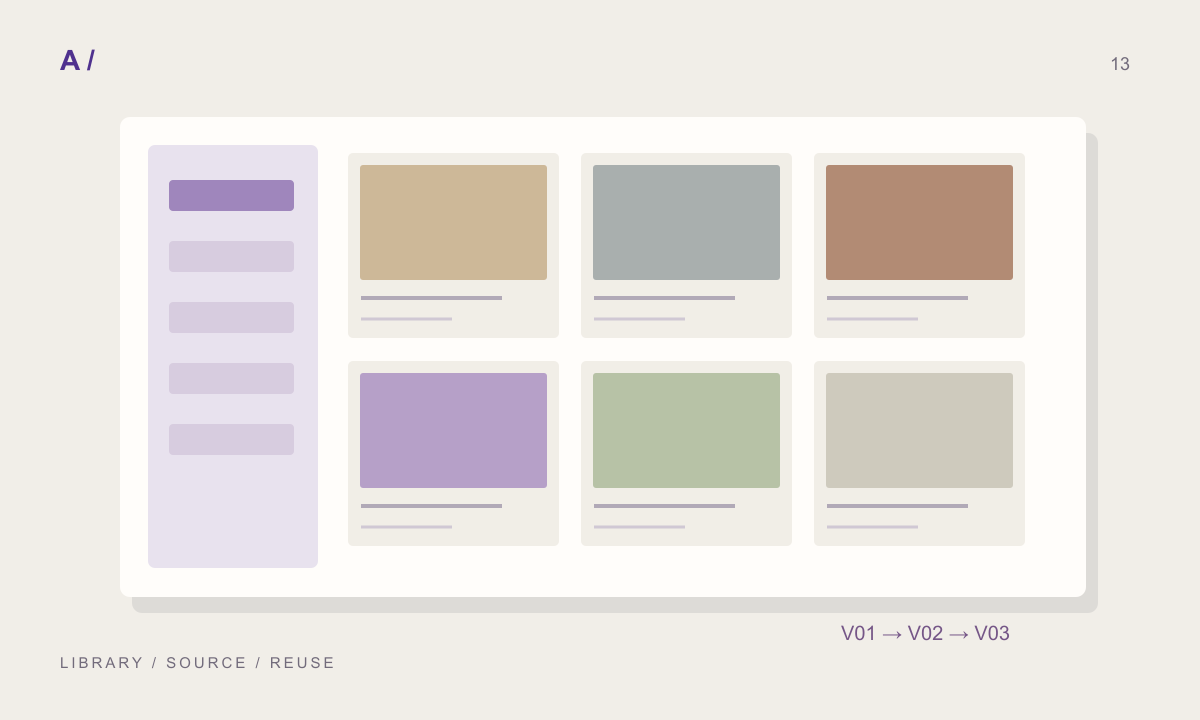
Library & handoff
Organise reusable architectural textures by source, scale and intended use, and understand what a CC0 licence does and does not establish.
Read ↗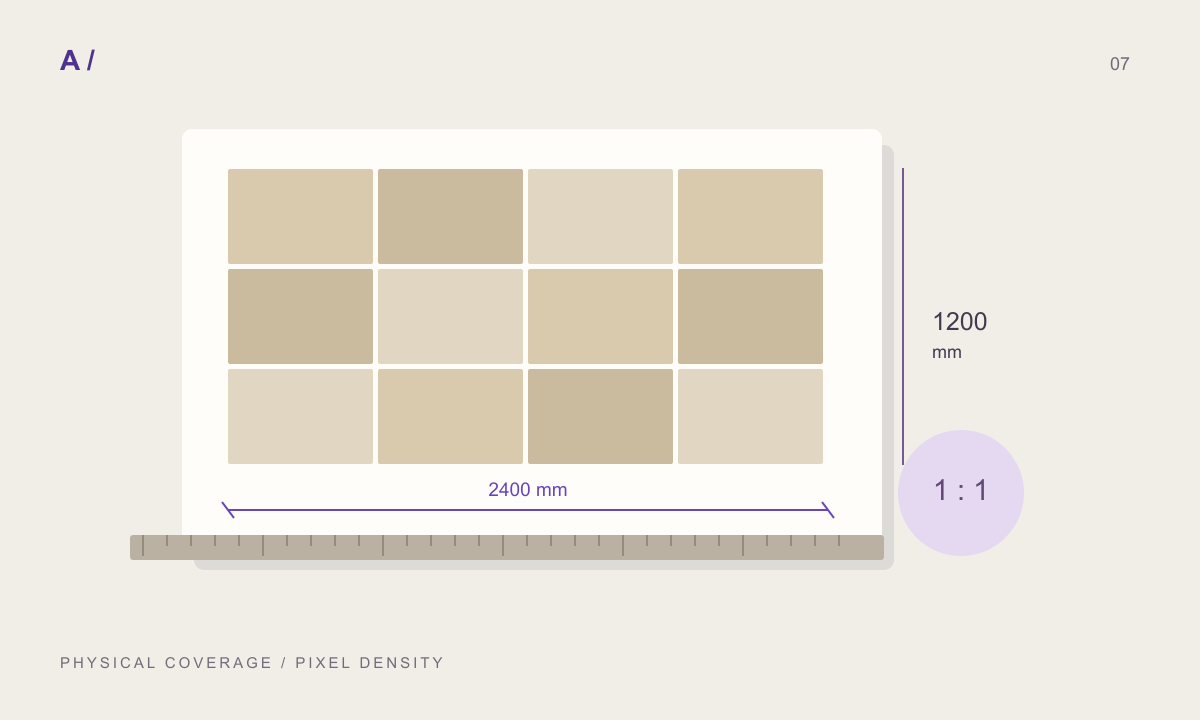
Texture preparation
Choose a texture source, state its dimensions, inspect repeats and keep material documentation together.
Read ↗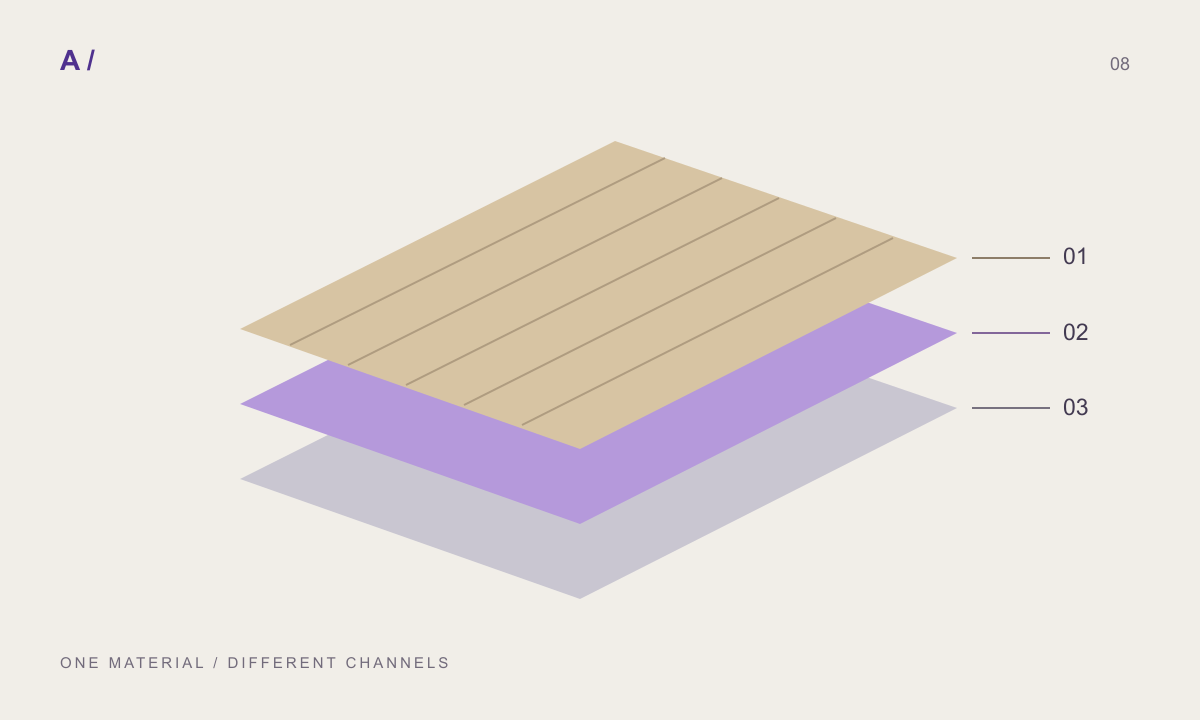
Texture preparation
Base colour, roughness, normal maps and a practical material handoff for architectural visualisation.
Read ↗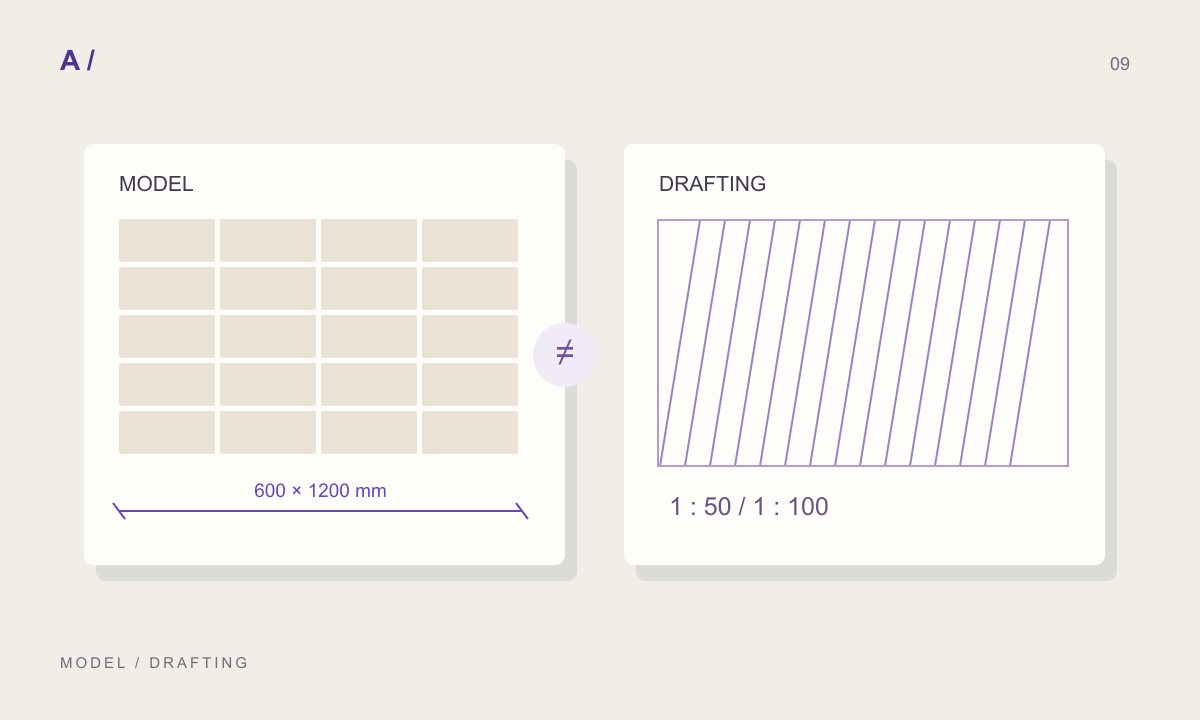
Software guides
Understand model and drafting patterns and plan a careful PAT handoff.
Read ↗