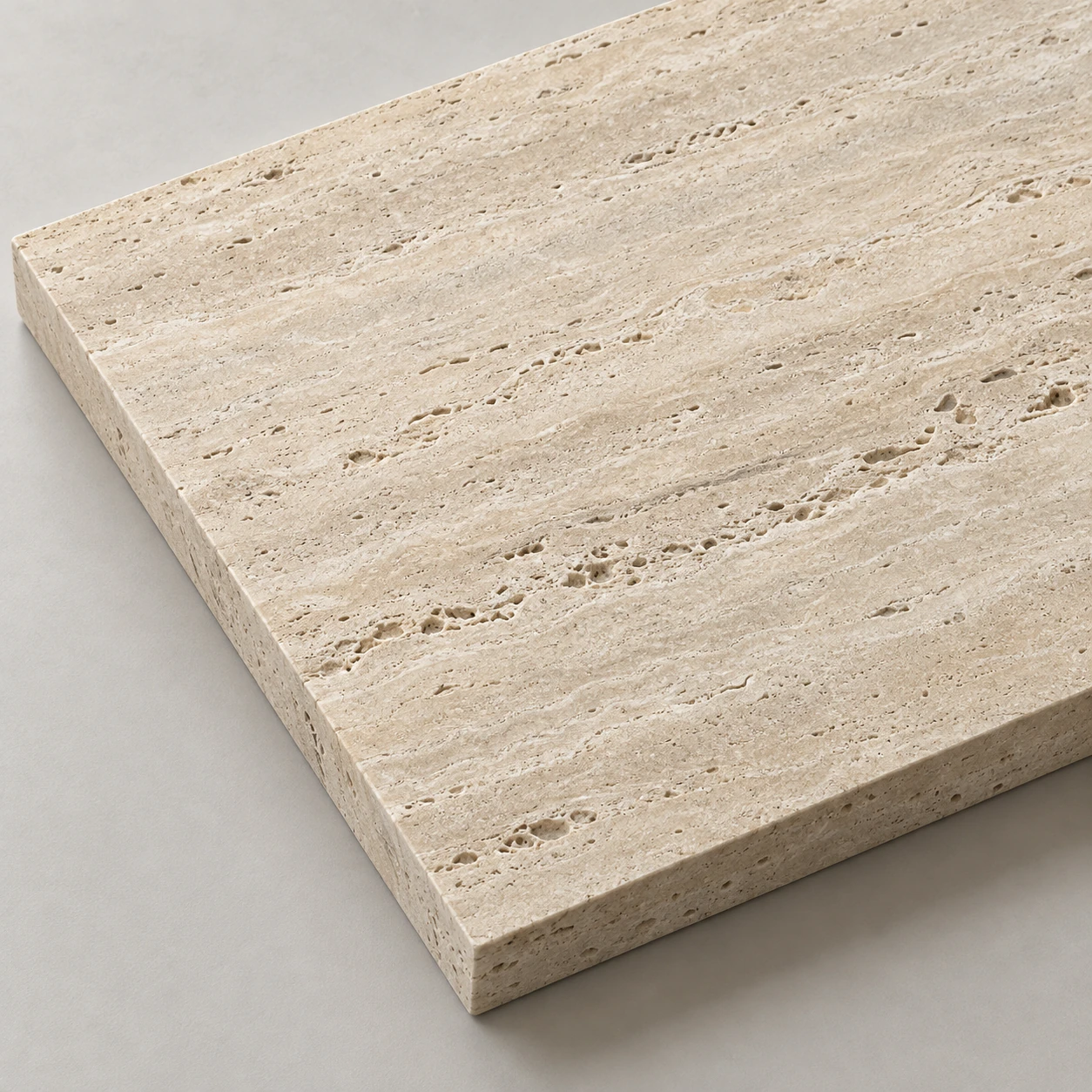
Seamless travertine textures
Consider vein direction, slab dimensions and surface appearance together. Keep the source coverage and joint decision explicit when preparing travertine for a wall or floor layout.
Explore examples →MATERIALHAUS / MATERIALS
Stone, brick, tile, wood, concrete and terrazzo. Each page explains the size, joint and repeat decisions of that material and lists the collection’s materials of its kind; open one and adapt it to your project.
Consider vein direction, slab dimensions and surface appearance together. Keep the source coverage and joint decision explicit when preparing travertine for a wall or floor layout.
Explore examples →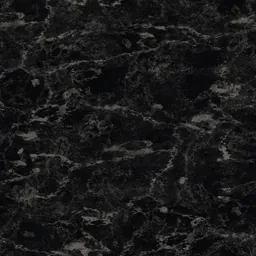
White, black and veined marble and onyx at a size you state. Set the slab, the vein direction and the joint, then download the colour, normal, roughness and height maps from the same settings.
Explore examples →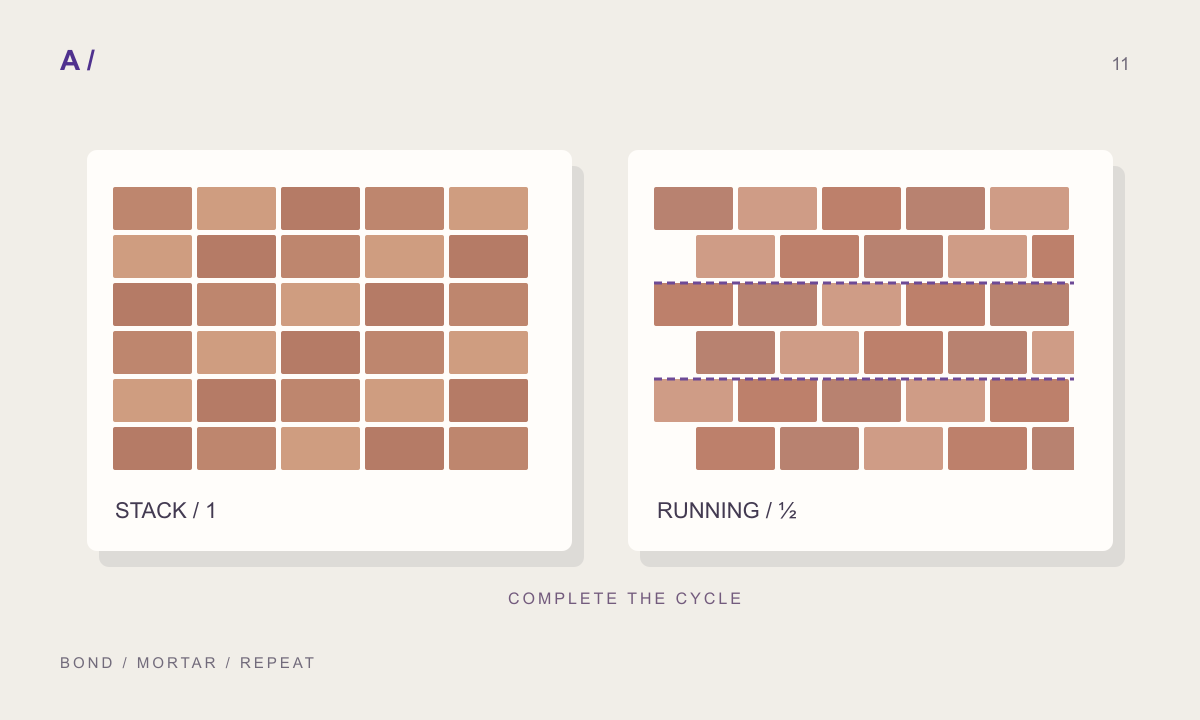
Prepare brick length, height, joints and bond together. A single unit is not the full repeat area; staggered bonds need a complete repeat cycle.
Explore examples →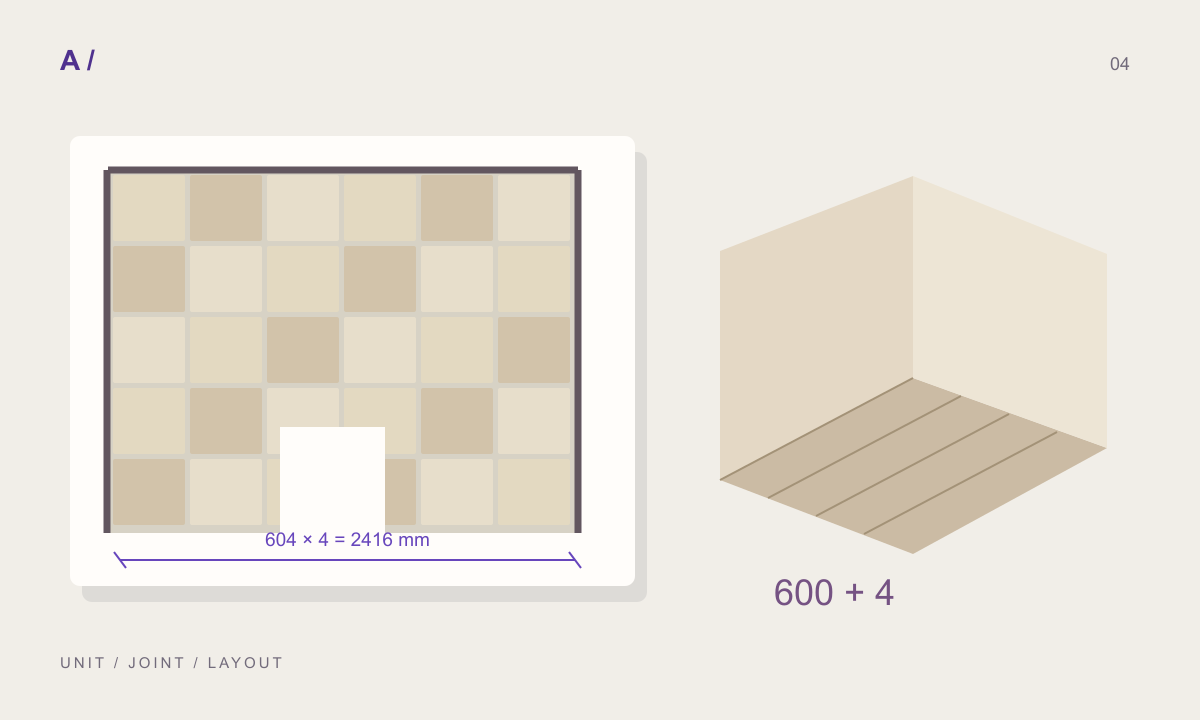
Separate physical size, joints and repeat coverage with a square tile example. Apply a stone surface to 600 × 600 mm tiles and inspect four rows using one dimension system.
Explore examples →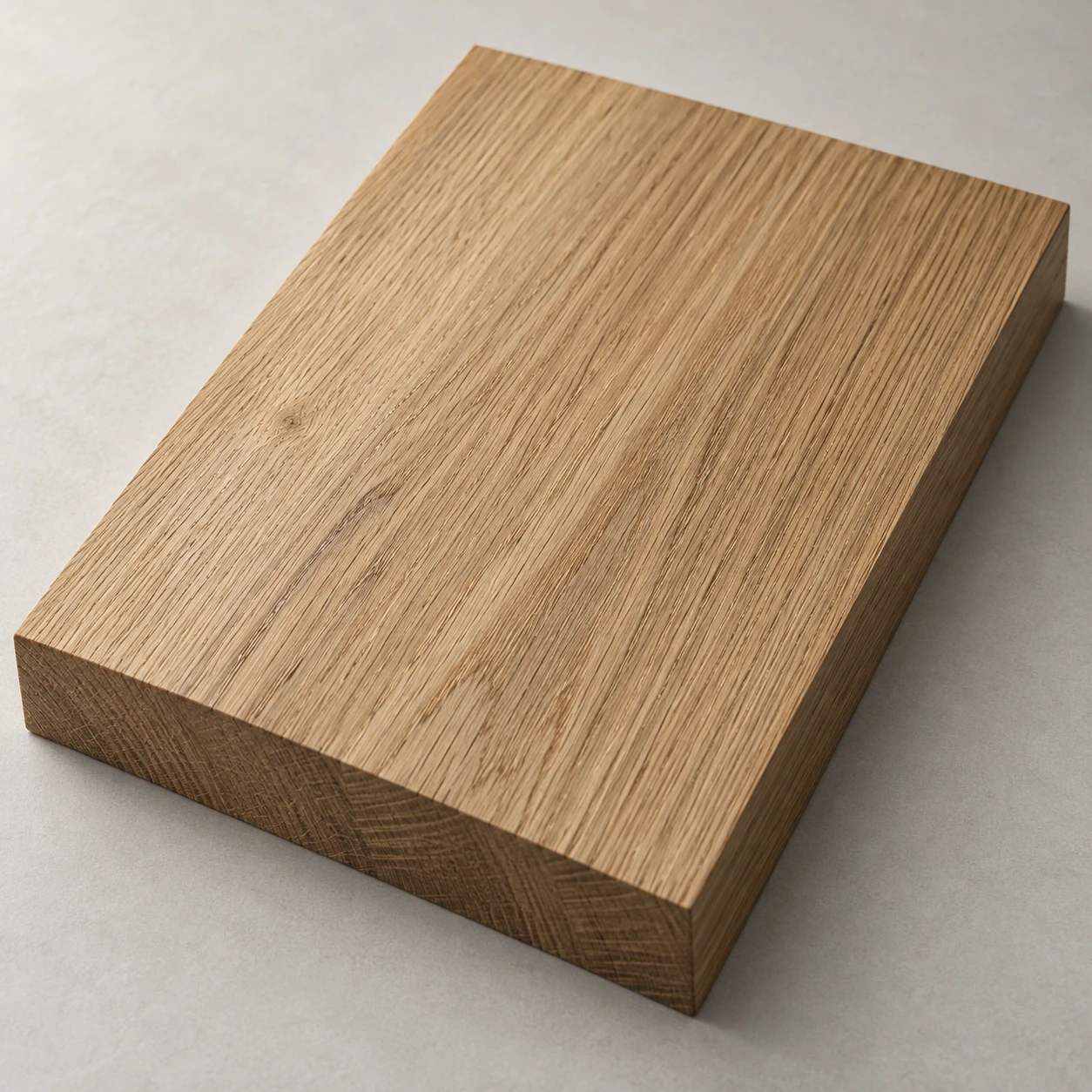
Oak and other wood grains as planks, herringbone or basketweave parquet at real size. Set the plank, the joint and the tone difference between boards, then download PBR maps from the same settings.
Explore examples →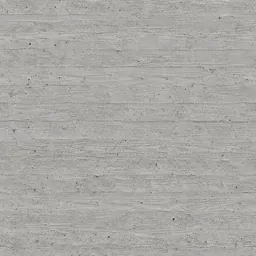
Raw, smooth and board-formed concrete as panels at real size. Set the formwork panel and its joint, keep repetition out of large walls, and download PBR maps from the same settings.
Explore examples →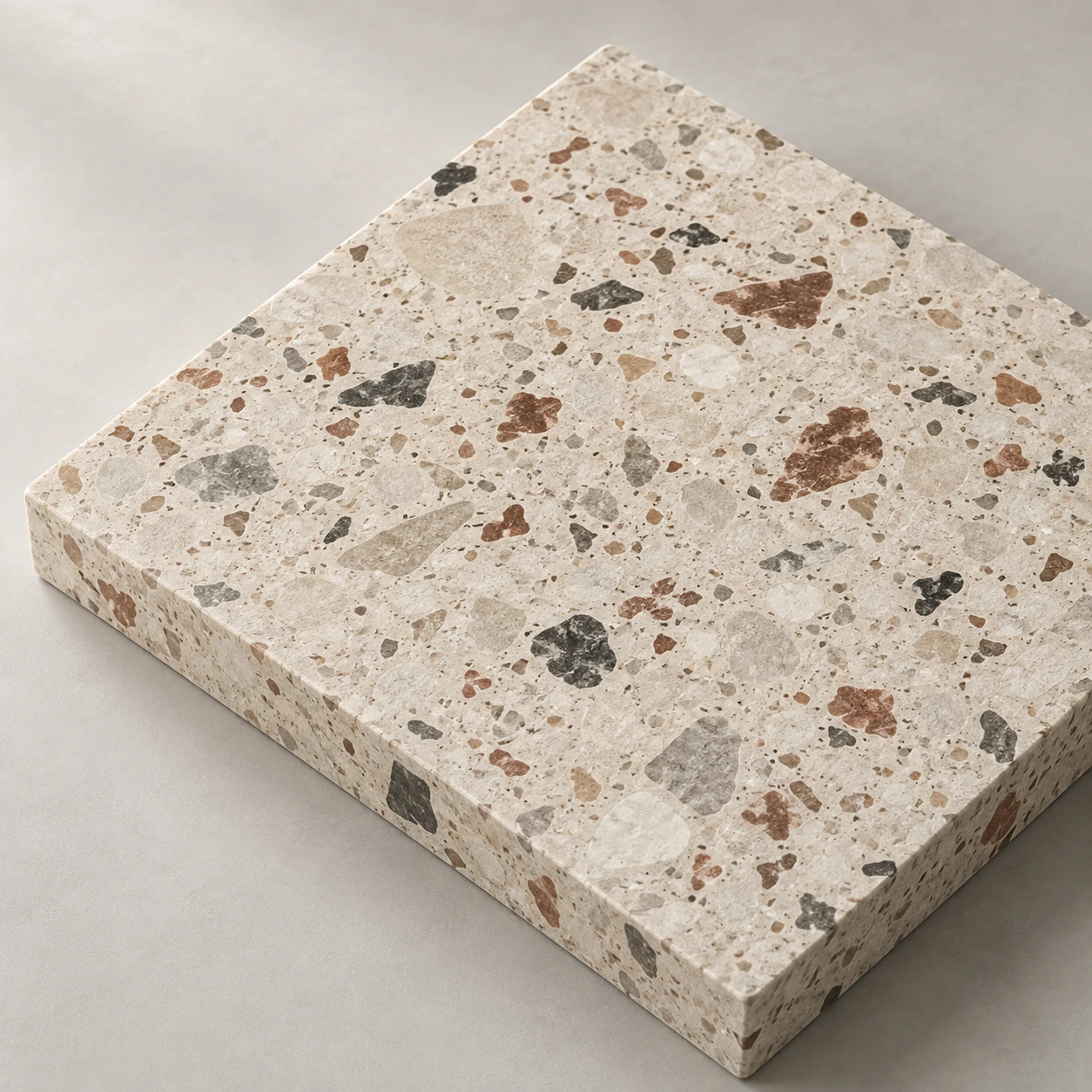
White, coloured and black-and-white terrazzo as tiles or as a poured floor. The size you state decides how large the aggregate reads, so set it before you download the maps.
Explore examples →These examples are design studies, not manufacturer products. Dimensions are design inputs and do not declare technical product performance.